 The Robot Report
The 370-billion-dollar race: How integrated design can help humanoid manufacturers succeed in a rapidly growing market
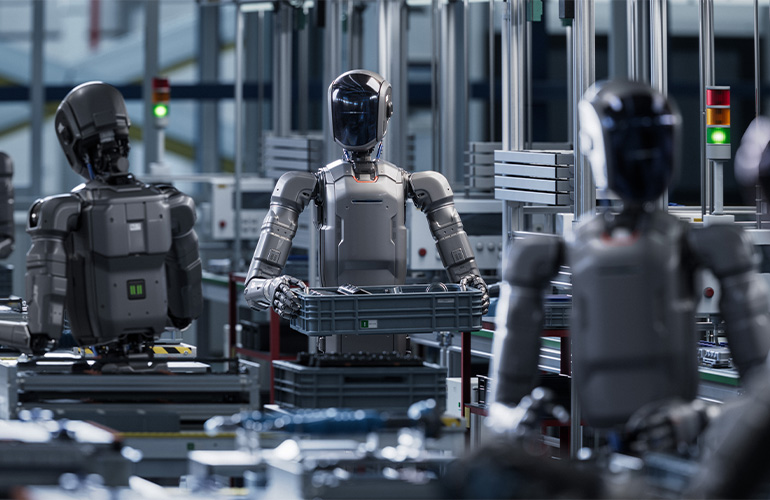
Imagine a manufacturing floor where robots don’t just repeat the same motion thousands of times but adapt to new tasks. They’re able to navigate cluttered spaces, manipulate unfamiliar objects and switch between tasks as fluidly as human workers. They can climb stairs, squeeze into tight assembly areas and collaborate seamlessly alongside people in environments designed for human bodies. This is the future of humanoid robotics, and it’s closer than most people realize. The implications are staggering. Humanoid robots could revolutionize manufacturing by bringing unprecedented flexibility to production lines. Unlike traditional industrial robots bolted to factory floors, humanoid robots can
…