Riyadh gets closer to F-35s, Damascus presses sovereignty and an expert take on Iran
Transcript
Machine-transcribed by YouTube. Expect errors in names, commands and version numbers.
The Kingdom of Saudi Arabia plans a big buy of F-35s while Edge delivers unmanned helicopters to Angola. Plus, the Syrian president talks foreign bases and we talked to an Iran expert on the country's tactics. That and more in this edition of the Middle East Defense Digest with Agnes Hello.
Hello and welcome to this new episode of the Middle East Defense Digest. The region has no shortage of conflict news and as Gulf states intercept drones and missiles, Bahrain canled its air show that was expected to take place in November this year, rescheduling it for the next edition in 2028. The situation
with Iran continues to shift, so make sure to check Breaking Defense regularly for the latest updates. Meanwhile, as Saudi Arabia plans big on an F35 fighter jet contract, UAE's edge group delivers unmanned Hilos to Angola. So, let's dive in. Saudi Arabia plans a big buy of F5
fighter jets and the US State Department cleared the potential sale of the fifth generation fighter jet to the kingdom in a deal worth $24.3 billion.
The announcement comes after a November
2025 announcement by US President Donald Trump expecting to sell FA5s to KSA. If
the deal is accomplished, Saudi Arabia will be the first Arab and Gulf country to operate this fifth generation fighter jet after the deal to the UAE was halted
due to a dispute over the Huawei network in the country. The terms of the deal are not final as prices and quantities can fluctuate during negotiations. The State Department's notice additionally tease up a 30-day review period for Congress, which has the power to block the sale. Amirati defense giant Etch Group delivered six HD 100 naval
unmanned helicopters to the Angolan Navy as part of a $1.2 2 billion deal struck
in 2023. The delivery took place after the Robo Hilos completed factory acceptance trials conducted at the end of August in Switzerland at facilities belonging to Anafia and subsidiary that produces the aircraft. The unmanned helicopters are expected to serve on board of the corvettes, two on each vessel and will be fully integrated with the corvette's combat management systems. These helicopters are equipped with electrooptical infrared sensors to increase the corvette surveillance and recon capabilities. Meanwhile, Syria looks to end foreign military presence and have sovereignty over the bases. According to its president, Ahmed al-Shara in a streamed interview. These foreign bases mainly include Russian military presence in the country which helped keep the former Assad regime in power and the Turkish military bases in north and northwest of Syria.
As I mentioned, we are seeing not to have any foreign military bases in Syria and to have complete and the pure sovereignty of the Syrian state under the uh endorsement of the people's assembly and to have a legalist status. So the Syrian state I believe very soon
will not have the necessity to have any military or foreign uh military presence and uh I believe uh we can go through uh
uh through the relations diplomatic relations and respect with all the countries in the neighborhoods and the friends of Syria. >> Up next we talk Iran with Ryan Bowl of Rain. That's right after the break.
as the Iran war goes on the country is using brakes in fighting to rearm and ready their military for the next fight and US is using unmanned systems to keep the strait of Harboo open as Iran tries to counter the technology. We speak with Middle East analyst tribol of rain after months of the conflict. How sustainable do you think is Iran's missile and drone strategy? At the current pace, it's probably sustainable for months and potentially even longer than that because the uh the pace of combat operations between the United States and Iran are are relatively low. Uh that gives Iran plenty of time to replace some of its more high-end equipment uh to find new supply chains uh there to to rebuild damaged infrastructure.
Meanwhile, the United States is not carrying out a kind of expansive air campaign against its military-industrial complex that we saw earlier in the spring that would really set the Iranians back. So, I think the Iranians can put up with this from a military standpoint for an extended period of time. The game is really about their political will to do so. >> Okay. So, do you think that the ceasefire gave them time to rebuild their capabilities? >> Almost certainly. And I think this is the conclusion of most intelligence uh agencies both within the region and in the United States that Iran is using this ceasefire period to rearm and reorganize. Uh and we have seen some more effective strikes uh during this time period. For example, the cluster munitions that they use against Jordan uh in in a coordinated fashion that seemed to cause uh significant damage and bypass American air defenses. that was uh more that was something we were expecting in the first phase of the war uh but didn't take place in large part because of how disruptive that that initial shock and awe uh campaign that the Israelis and the Americans carried out against them with that pause. Now the Iranians seem to be more capable of carrying out the swarms and cluster munition attacks that overwhelm the advanced air defenses of the United States.
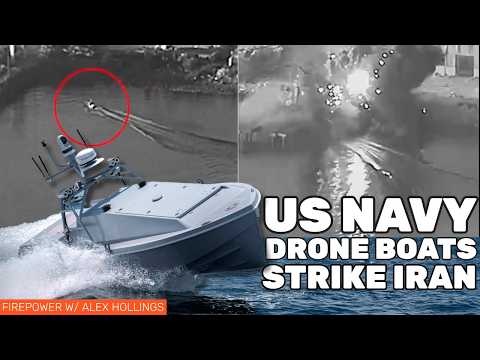
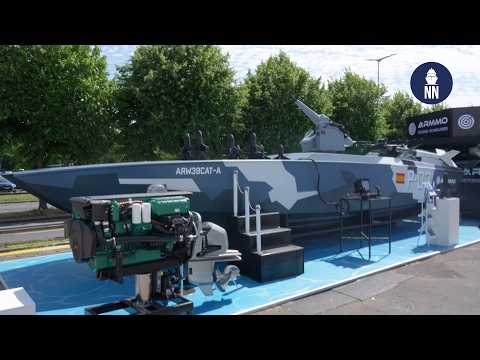
>> Okay. So regarding the unmanned surface vessels and and the unmanned uh underwater vehicles in the current war, to what extent do you think the US is reliant on these systems in combat operations? >> Uh I think that they are useful for scouting for mines in particular and other obstructions that the Iranians are trying to set up in the street of Hormuz. That's their primary mission in addition to trying to track uh some of the uh the some of the boats that might be going through Hormuz to sight targets and again to lay mines. Um they're a useful vehicle because it is such an expansive uh waterway and covering all of it from a physical standpoint for human beings is very difficult even for the United States Navy uh in particular because the Iranians aren't using large platforms to lay these mines. They're coming off of small boats, speedboats, etc. So the uh the unmanned submarines and the unmanned uh sea drones are essential a part of that that interdiction mission uh for the US Navy.
Cuts down costs, cuts down wear and tear on their more advanced systems like helicopters and of course their larger warships. Uh that's it is it is an essential part of what they're trying to do out there. >> Thank you, Ryan, and thank you for watching. Remember to like and subscribe for more.