 MIT News Neuroscience
Scientists create the first whole-body single-cell atlas of an adult vertebrate
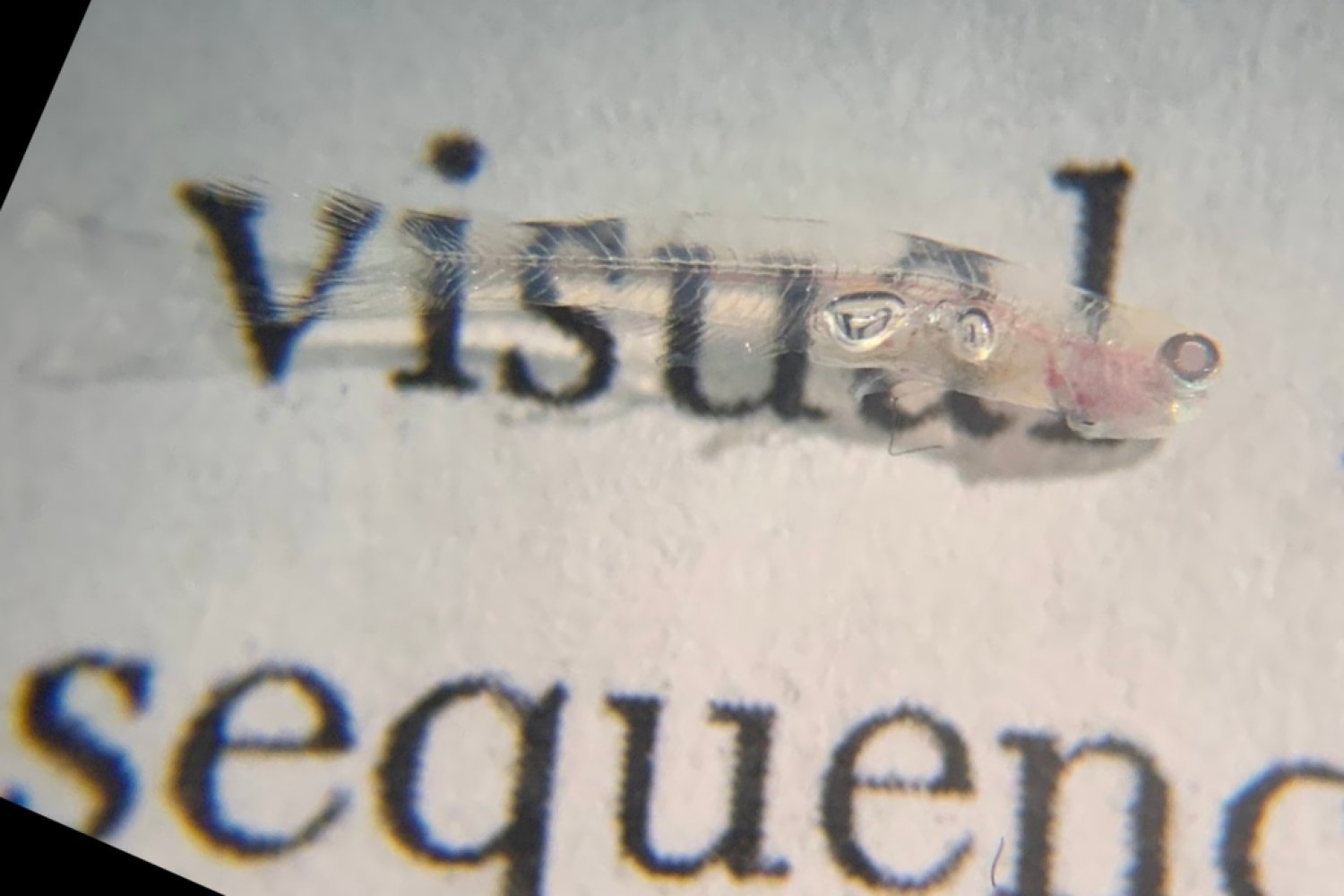
Viewed from above, Danionella cerebrum offers a rare sight in a vertebrate: its brain, visible through the top of its head. Since the species was formally described in 2021, the tiny, transparent fish has drawn rapidly growing interest for its unique biology.Scientists at MIT, the Whitehead Institute for Biomedical Research, and Charité–Universitätsmedizin Berlin recognized another opportunity in the tiny fish: It brought whole-animal single-cell profiling within reach, allowing the team to create the first comprehensive map of cell types and gene activity across an adult vertebrate. That perspective could help reveal how cells in different tissues coordinate their responses — and how
…